
The Science Behind Glow or GHK-Cu ( Copper ) Peptide in Regenerative Aesthetics
Modern aesthetic medicine is no longer driven by trends—it is guided by molecular science and clinical evidence. The Glow stack or GHK-Cu peptide (glycyl-L-histidyl-L-lysine copper) is one of the most extensively researched regenerative peptides, with over four decades of scientific investigation supporting its role in skin repair, collagen stimulation, and anti-inflammatory activity.
Originally identified in human plasma, GHK-Cu has been shown to regulate over 4,000 genes involved in tissue regeneration, wound healing, and inflammation control (Pickart et al., 2012). Its ability to activate fibroblasts and stimulate extracellular matrix production makes it a cornerstone ingredient in advanced regenerative aesthetics.
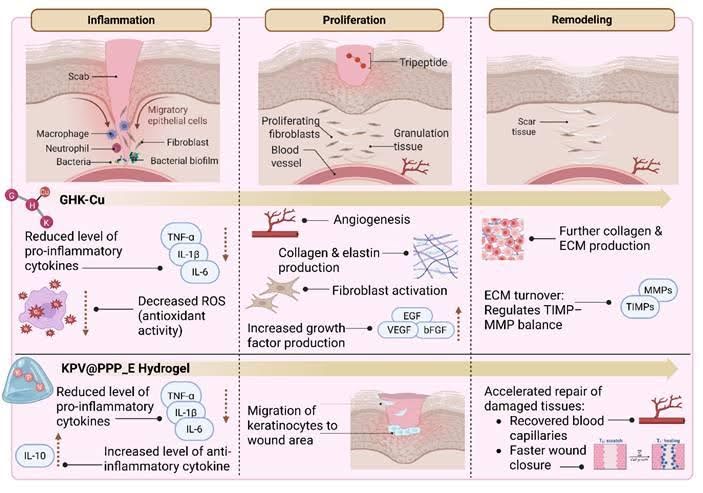
Clinically Proven Collagen Biostimulation from within
One of the most compelling applications of GHK-Cu is its synergy with collagen biostimulators. Clinical and in vitro studies demonstrate that GHK-Cu significantly increases the production of collagen types I and III, elastin, and glycosaminoglycans—key structural components responsible for skin firmness and elasticity (Maquart et al., 1988; Pickart & Margolina, 2018).
When combined with injectable biostimulators such as calcium hydroxylapatite (CaHA or Radiesse ) or poly-L-lactic acid (PLLA, SCULPTRA ), GHK-Cu enhances neocollagenesis at a cellular level. This leads to:
- Improved dermal density
- Enhanced skin elasticity
- Longer-lasting treatment outcomes
At Aestha Clinic, we utilise GHK-Cu as part of advanced regenerative protocols to maximise collagen stimulation—delivering results that continue to improve for months after treatment.
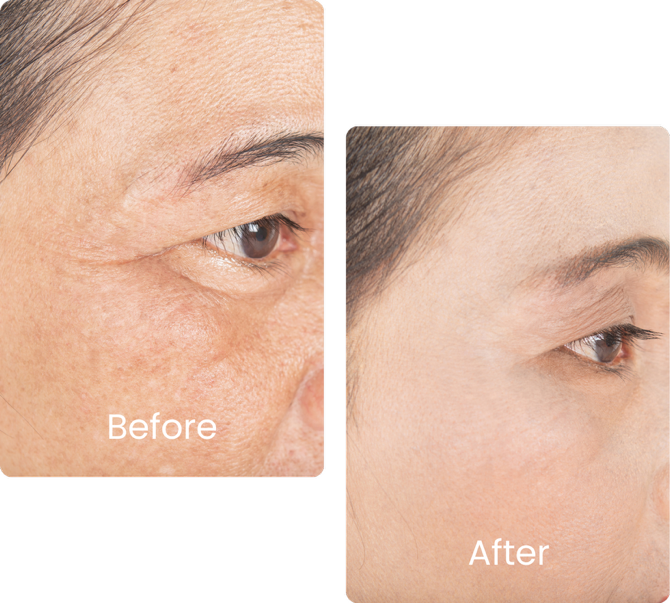
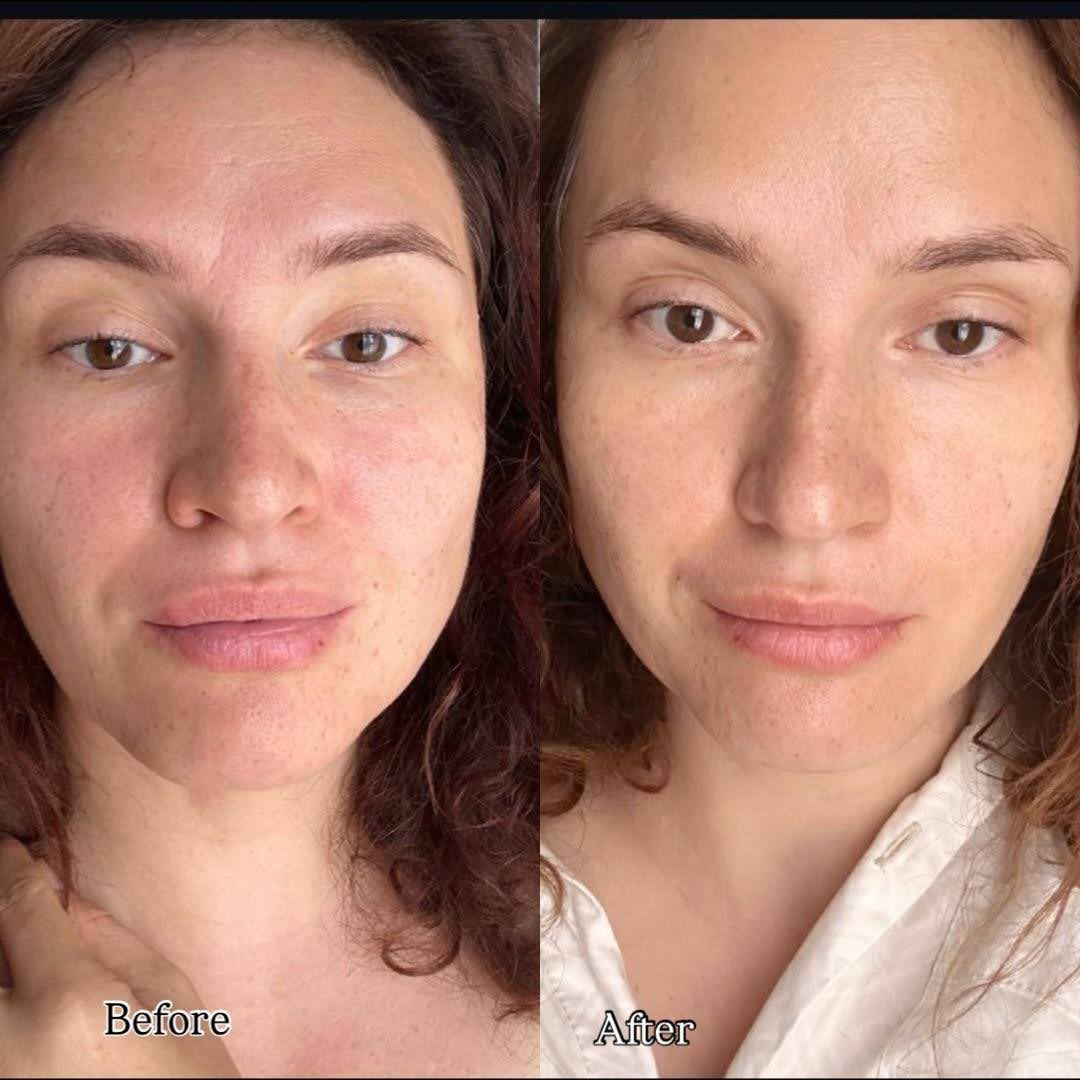
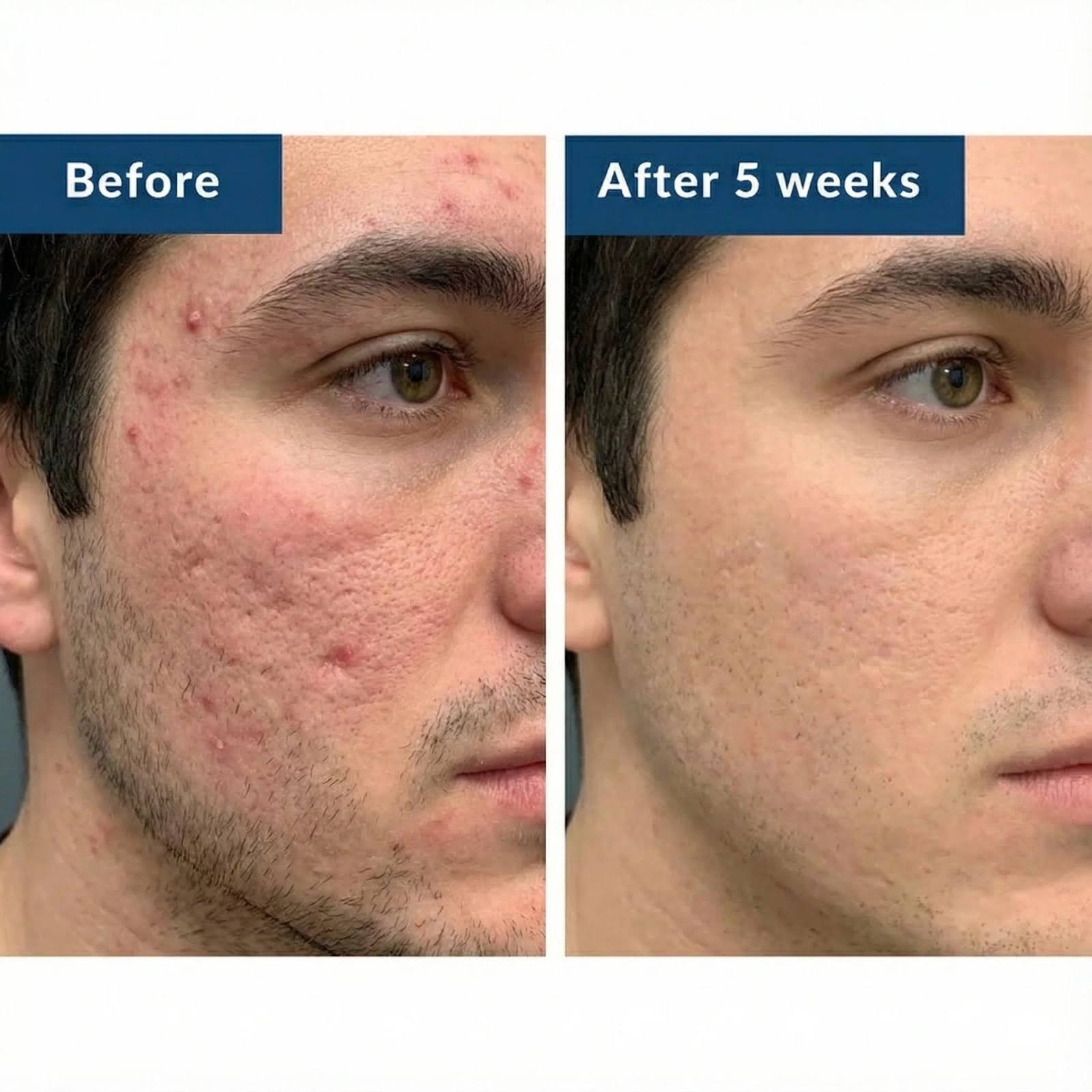
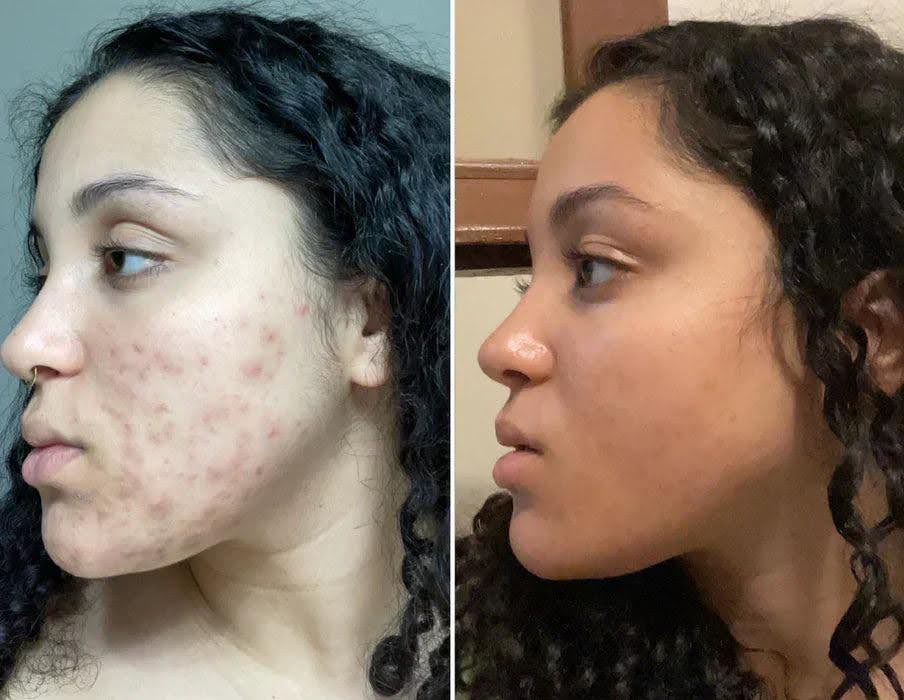
Targeting Acne and Inflammation at a Molecular Level
GHK-Cu is not only a regenerative peptide—it is also a powerful anti-inflammatory and antimicrobial agent. Research shows it reduces pro-inflammatory cytokines such as TNF-α and IL-6, which are central drivers in acne pathogenesis (Pickart et al., 2015).
Additionally, GHK-Cu:
- Promotes wound healing and reduces post-acne scarring
- Modulates matrix metalloproteinases (MMPs), preventing excessive tissue breakdown
- Supports balanced skin remodelling
This makes it particularly effective for:
- Active acne
- Acne-prone skin undergoing treatments
- Post-inflammatory hyperpigmentation and scarring
By integrating GHK-Cu into acne protocols, we not only treat breakouts but actively repair and strengthen the skin—reducing recurrence and improving long-term skin health.
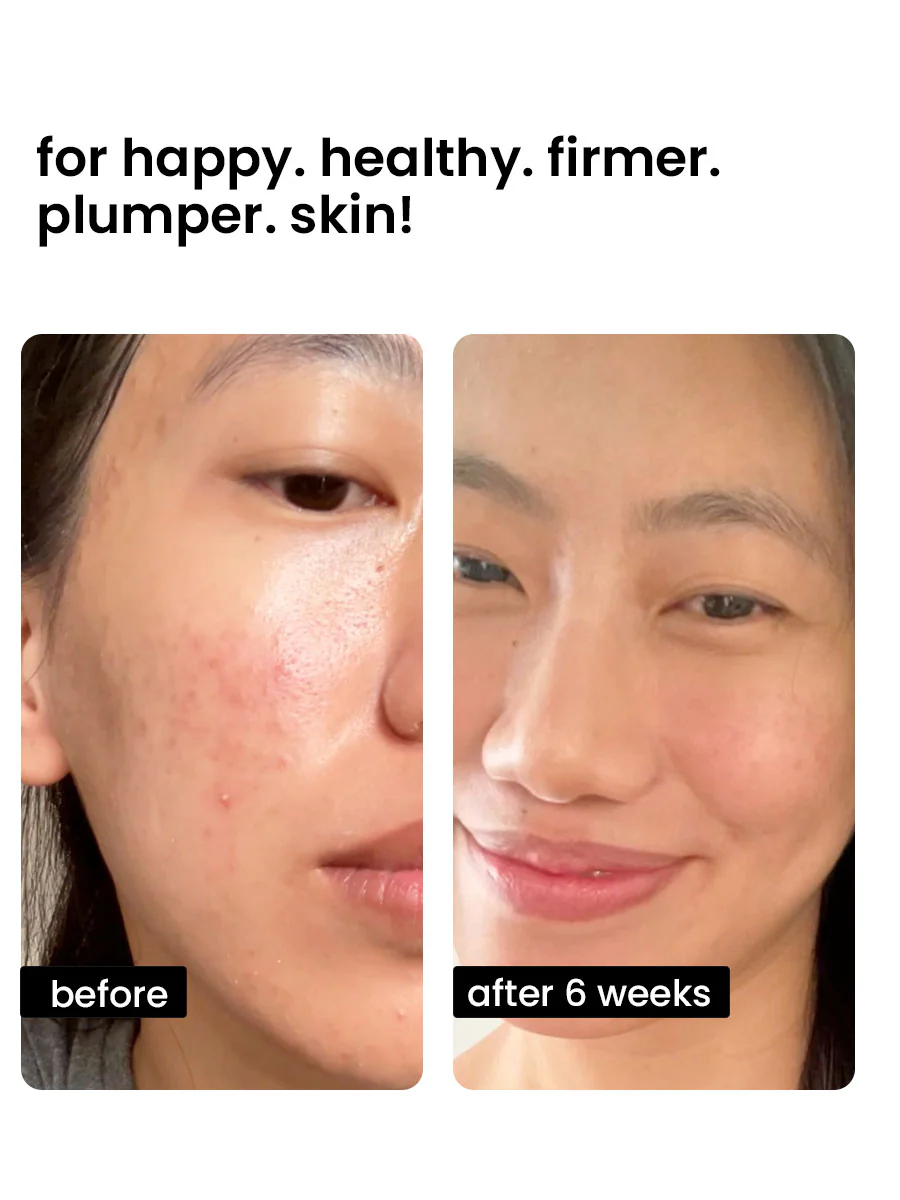
Enhancing Laser Treatment Outcomes
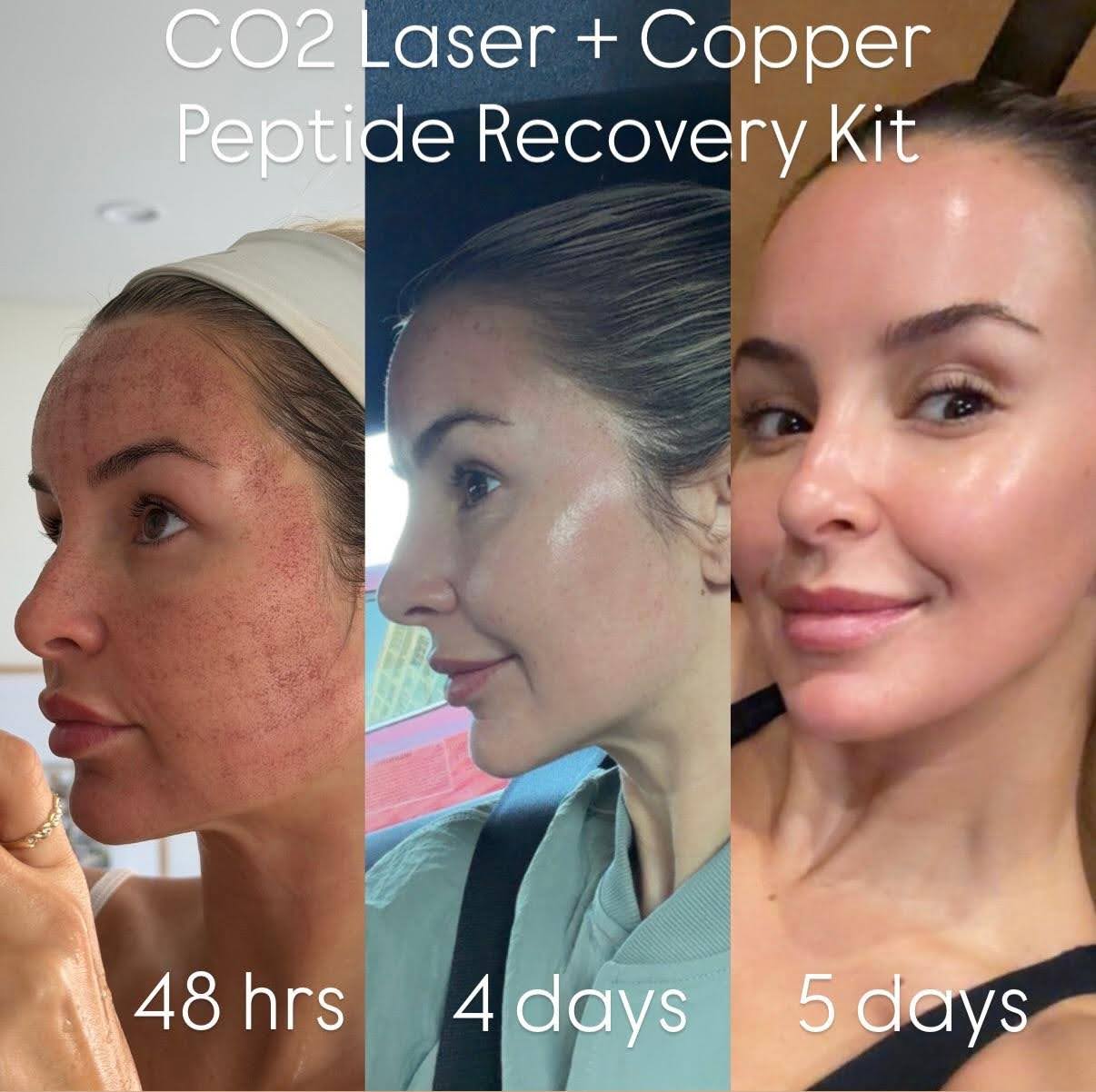
Laser treatments rely on controlled skin injury to stimulate regeneration. GHK-Cu enhances this process at every stage of healing.
Clinical evidence shows that copper peptides:
- Accelerate re-epithelialisation
- Reduce oxidative stress
- Improve tissue remodelling and repair (Abdulghani et al., 1998; Pickart, 2008)
When used alongside laser therapies, this translates into:
- Faster recovery and reduced downtime
- Improved skin texture and tone
- Enhanced collagen remodelling
At Aestha Clinic, we incorporate GHK-Cu into post-laser recovery protocols to optimise results and minimise downtime—allowing patients to return to daily life sooner with visibly improved skin.
Beyond Aesthetics: Longevity and Skin Health
What sets GHK-Cu apart is its broader biological impact. Studies have demonstrated that it can:
- Reset gene expression patterns associated with ageing
- Improve tissue repair and regeneration
- Support overall skin resilience and function (Pickart & Margolina, 2018)
This positions GHK-Cu not just as a cosmetic ingredient, but as a longevity-focused therapeutic agent within aesthetic medicine.
STARTER Guide
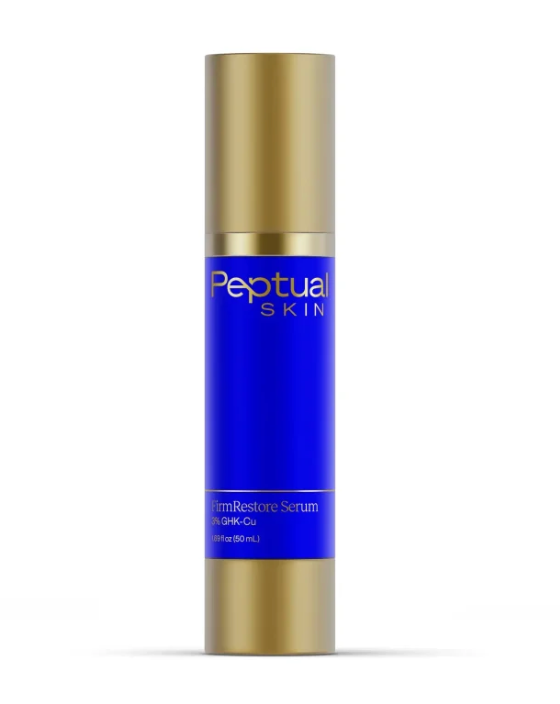
Starting with GHK-Cu usually begins on the surface.
Most people first encounter it through serums—often from brands PEPTUAL Peptides—and that’s honestly the most controlled way to understand how your skin responds.
How much: A few drops on clean skin once or twice a day is enough.
No need to overcomplicate it or stack multiple actives early on. The idea isn’t to force results, but to introduce a steady signal for repair. If you keep everything else simple—cleanser, moisturizer, SPF—you give the peptide room to show what it can actually do.
SC Injections of GHK CU:
This is where GHK-Cu shifts from skincare into biohacking territory. Instead of acting locally on the skin, it’s introduced systemically, usually in small doses injected under the skin. The appeal is obvious—stronger, faster, more “whole body” effects—but the reality is much less defined.
Unlike a serum, you’re now dealing with sourcing, sterility, dosing, and a space that isn’t well regulated. It is extremely important to have reliable supplier such as Peptual peptides or Biolongevity Labs or others that has regulations such as cGMP registered facilities
Peptual bottles or pen
Research USE only – What does it mean?
In the peptide space, especially with compounds like GHK-Cu, you’ll often see the label “Research Use Only” (RUO). This means the product hasn’t been approved by agencies like the U.S. Food and Drug Administration and isn’t legally intended for human use, but rather for laboratory research. Despite that, many people use RUO suppliers because they offer access to peptides not available through traditional medical channels.
Because this area is unregulated, quality becomes the biggest concern. More reputable suppliers try to reduce uncertainty by showing signs of transparency—such as
GMP-style manufacturing,
ISO-certified labs, a
third-party Certificates of Analysis (COAs) confirming purity and identity.
These don’t make the product approved, but they do signal a higher standard in an otherwise inconsistent market.
At its core, RUO is a trade-off: wider access and experimentation, in exchange for less oversight and more personal responsibility.
When do I see results?
Around weeks 3-6 things start to shift slightly—skin texture improves, healing speeds up, and there’s a subtle sense that your baseline is improving. The real visible payoff, when it happens, tends to sit closer to the 2-3 month mark, where skin looks healthier overall , firmer, brighter with reduced inflammation and sun damage.
A proper trial is at least 8–12 weeks, but most people who see benefits continue beyond that because the effects are tied to ongoing use. When you stop, nothing crashes—you just gradually return to your natural rate of repair.
Contacts us for personalised consultation: info@aestha.co.uk or WhatApp: 07917796064
References
Abdulghani, A., Sherr, A. and Shirin, S. (1998) ‘The effect of copper peptides on wound healing’, Dermatologic Surgery, 24(6), pp. 688–692.
Maquart, F.X., Pickart, L., Laurent, M., Gillery, P., Monboisse, J.C. and Borel, J.P. (1988) ‘Stimulation of collagen synthesis in fibroblast cultures by the tripeptide-copper complex glycyl-L-histidyl-L-lysine-Cu²⁺’, FEBS Letters, 238(2), pp. 343–346.
Pickart, L. (2008) ‘The human tri-peptide GHK and tissue remodeling’, Journal of Biomaterials Science, 19(8), pp. 969–988.
Pickart, L., Vasquez-Soltero, J.M. and Margolina, A. (2015) ‘GHK peptide as a natural modulator of multiple cellular pathways in skin regeneration’, BioMed Research International, 2015, Article ID 648108.
Pickart, L. and Margolina, A. (2018) ‘Regenerative and protective actions of the GHK-Cu peptide in the light of the new gene data’, International Journal of Molecular Sciences, 19(7), p. 1987.