
Impact of glp-1 weight loss (PART ONE)
Protecting Your Face During GLP-1 Weight Loss (Part One): Understanding the Impact
As summer approaches, many of our patients at Aestha Clinic are embarking on weight loss journeys to feel confident and healthy for the warmer months ahead. The demand for medically supervised weight loss using GLP-1 receptor agonists such as Ozempic, Wegovy, and Mounjaro has increased dramatically in recent months.
At Aestha Clinic, we fully support patients achieving their health and weight management goals. However, as medical aesthetic experts, we feel obligated to inform our patients about an important aspect of rapid weight loss that is often overlooked: its impact on facial appearance and skin health.
In this first article of our two-part series, we’ll explore the scientific evidence behind facial changes during GLP-1-assisted weight loss. Part Two will detail our specific treatment protocols and solutions designed to preserve your facial aesthetics throughout your weight loss journey.
Understanding the Hidden Consequence of GLP-1 Weight Loss
While you may be celebrating the pounds dropping on the scale, rapid medication-induced weight loss can lead to unexpected changes in your facial appearance. According to recently published clinical research by Galderma in January 2025, patients using GLP-1 medications frequently report significant facial alterations:
-
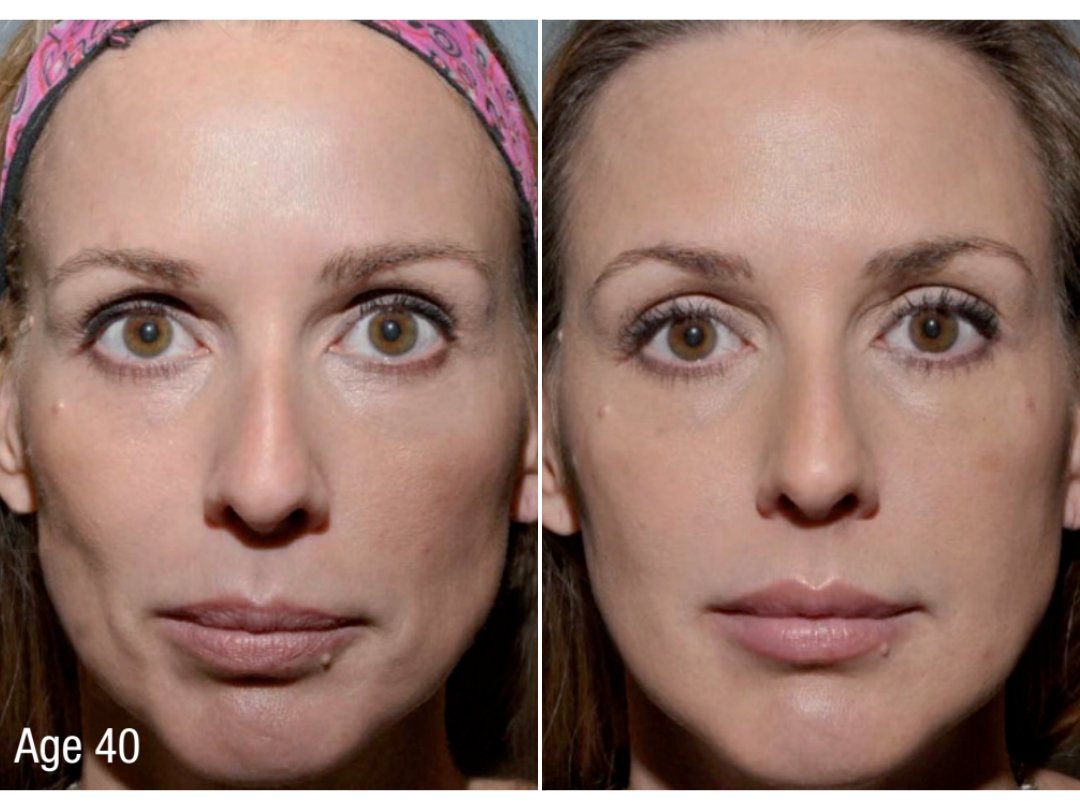
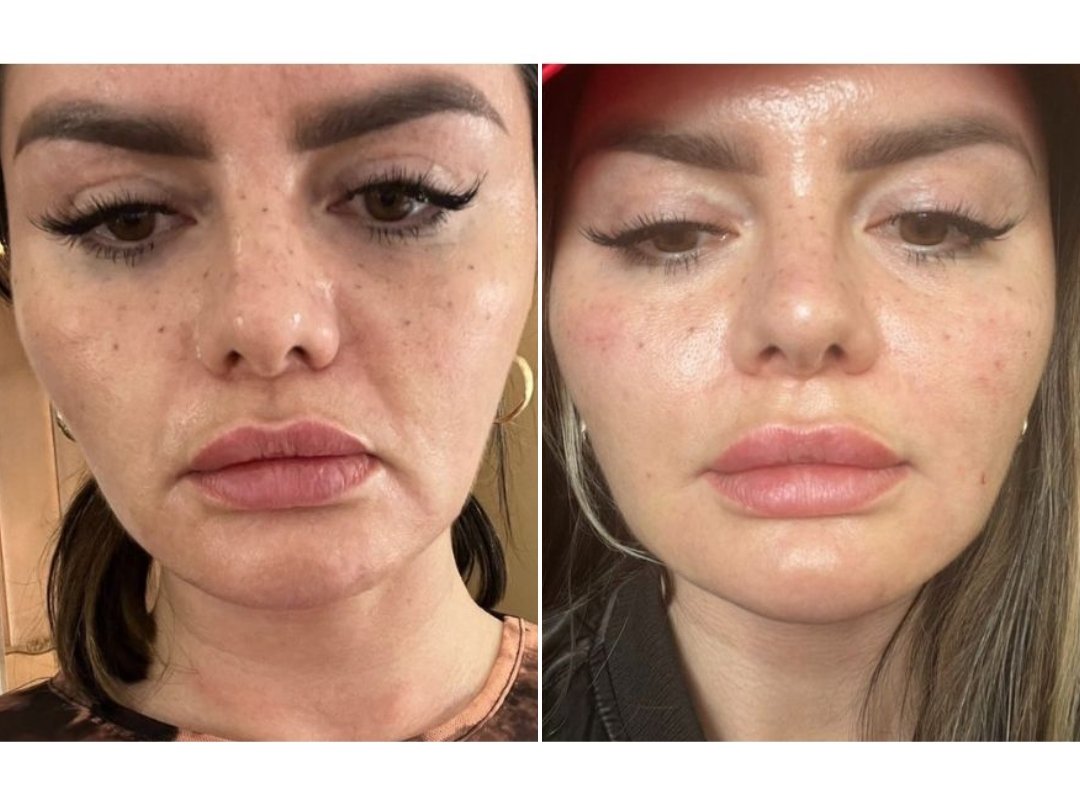
- Loss of facial volume creating shadowing and hollowness
- Increased skin laxity and sagging
- Changes in facial structure and balance
- Skin appearing less radiant and drier
- An overall aged appearance beyond their chronological age
Dr. Michael Somenek, a clinical investigator in the groundbreaking Galderma study, notes that “as medication-driven weight loss becomes more prolific around the world, so do the associated impacts of facial volume loss and other unwanted cosmetic effects like shadowing and hollowness.”
The Science Behind Facial Changes with GLP-1 Medications
The 2025 Galderma clinical trial confirms what we’ve been observing in our practice at Aestha Clinic. These facial changes occur due to multiple physiological factors, including:
-
- Loss of facial fat compartments that provide structural support
- Accelerated breakdown of collagen in the skin
- Reduction in elastin fibers that maintain skin elasticity
- Depletion of essential nutrients including fatty acids
Most concerning is that these changes often develop gradually and may not be fully noticed until they’ve become significant. By then, even surgical interventions may not fully restore what’s been lost, as the fundamental changes to skin quality and structure can potentially become permanent.
Why Traditional Solutions May Fall Short
Many patients assume that standard facial rejuvenation approaches will adequately address GLP-1-related changes. However, the research indicates that the nature of medication-induced weight loss creates unique challenges:
-
Accelerated Timeline
Natural aging and weight loss typically occur gradually, allowing the skin some time to adapt. GLP-1 medications can produce rapid weight reduction that outpaces the skin’s ability to adjust, creating more pronounced laxity.
-
Different Pattern of Volume Loss
GLP-1-induced changes may affect facial fat compartments differently than natural aging or traditional weight loss, requiring specifically targeted treatment approaches.
-
Comprehensive Impact on Skin Quality
Beyond just volume loss, the research shows significant effects on skin hydration, radiance, and thickness—all requiring a multi-faceted treatment approach.
-
Preventative vs. Corrective Timing
Traditional facial rejuvenation is typically corrective, but GLP-1-related changes benefit dramatically from preventative interventions before or during weight loss rather than after changes have occurred.
Age-Specific Considerations for GLP-1 Weight Loss
At Aestha Clinic, we’ve observed that GLP-1-induced facial changes present differently based on age:
In Your 30s:
The impact may be less immediately visible, but preventative measures are crucial to avoid premature aging. Younger patients often experience:
-
- Subtle midface volume loss that can create unexpected shadows
- Early changes in skin quality that might be attributed to other factors
- The advantage of stronger natural collagen production to build upon
In Your 40s and 50s:
The effects of GLP-1 weight loss can be more pronounced, with:
-
- More visible volume loss, particularly in the midface and temples
- Accelerated appearance of fine lines and wrinkles
- More noticeable skin laxity requiring comprehensive intervention
In Your 60s and Beyond:
Pre-existing age-related changes can be significantly exacerbated:
-
- More dramatic skin laxity and deeper folds
- Potential for more skeletal appearance due to combined age and weight-related volume loss
- Need for carefully balanced volume restoration and skin quality treatments
The Importance of Timing: Prevention vs. Correction
Perhaps the most crucial finding from the clinical research is the importance of timing interventions appropriately. The study results strongly suggest that beginning treatment early in the weight loss process yields superior outcomes.
This aligns with our philosophy at Aestha Clinic that prevention is far more effective than correction when it comes to facial aging. By implementing strategic treatments before significant volume loss occurs, patients can maintain facial harmony throughout their weight loss journey.
Looking Ahead: Your Facial Preservation Journey
In Part Two of this series, we’ll delve into Aestha Clinic’s specific treatment protocols designed to address the unique challenges of GLP-1-induced facial changes. We’ll explore:
-
- Our personalised assessment process for patients considering or using GLP-1 medications
- Specific collagen biostimulation protocols tailored to different age groups and weight loss stages
- Strategic volume replacement techniques to maintain facial harmony
- Advanced skin quality enhancement treatments
- Recommended treatment timelines aligned with weight loss phases
Conclusion: Knowledge is Prevention
Understanding the potential impact of GLP-1 medications on your facial appearance is the first step toward proactive management. The groundbreaking research we’ve discussed confirms what we’ve observed clinically: rapid medication-induced weight loss creates unique aesthetic challenges that require specialised approaches.
By recognising these challenges early, you can take informed steps to preserve your facial aesthetics while still enjoying the health benefits of your weight loss journey. We invite you to contact Aestha Clinic to schedule a consultation about your specific needs, and to watch for Part Two of this series where we’ll detail our comprehensive treatment solutions.
Stay tuned for Part Two: Aestha Clinic’s Advanced Treatment Protocols for GLP-1 Weight Loss Facial Preservation
Schedule Your Consultation Today
At our clinic, we understand that achieving natural-looking rejuvenation requires both advanced techniques and personalised treatment plans.
We take pride in offering this cutting-edge treatment as part of our commitment to providing effective, minimally invasive solutions that work with your body’s natural processes rather than against them.
Download Our App

Access Aestha Clinic on the go with our Aestha Clinic App.
Book and manage appointments, view your previous treatment history, get to know our practitioners, re-order your skincare and receive treatment reminders.
Download for your device via the button below, or search for Aestha Clinic in your app store.


